Wednesday, January 30, 2008

Tuesday, January 29, 2008
Be a "Simple Man"
Rock music have been maligned by certain quarters for being "immoral", but I do not agree with this view. While it is true that some musicians or singer's antics are deplorable, we cannot paint the whole rock n' roll community with the same brush.This song (originally by Lynrd Skynrd), titled "Simple Man" contains lyrics of advice as to how to live one's life by focusing on becoming a good person. Enjoy the clip ;).
Monday, January 28, 2008
Sunday, January 27, 2008
Moral Development
Moral development concerns the development of moral values and behavior. Moral values are beliefs about what is right and wrong; moral behavior refers to actions consistent with these beliefs. Moral development is closely tied to other aspects of psychological growth. The ability to think and reason enables moral judgment, social and emotional development leads to moral values and empathy, and personality development includes the growth of conscience. Moral development is a lifelong process, especially as individuals encounter new and more complex ethical dilemmas in relations with peers, at the workplace, and in intimate relationships.
Young children acquire a sense of right and wrong partly through parental discipline but also in everyday conversations with their parents, who convey simple lessons about people’s feelings, the consequences of breaking rules, and what it takes to be a “good boy” or “good girl.” Another resource for early moral growth is the empathy that young children feel for the distress of others. For example, when parents or peers are upset, toddlers often look concerned and try to assist them. Psychologists continue to explore how interaction between parents and their young children contributes to the development of conscience and to the growth of caring for other people.
Moral development also influences the development of “prosocial” or altruistic behavior—actions such as sharing, cooperating, and helping performed for the benefit of others without expectation of a reward. Studies indicate that the motivation to act altruistically emerges very early. Young children are motivated to do the right thing primarily because they want to maintain warm relationships with caregivers and others who matter to them—not simply to avoid punishment, as was once believed.
For further readings, just visit this site
Wednesday, January 23, 2008
Heads up, class!

For next week's lectures and tutorials we will be looking at religion and ethics.Make sure that you do your readings before coming to class ;D.
Short Semester for Diploma
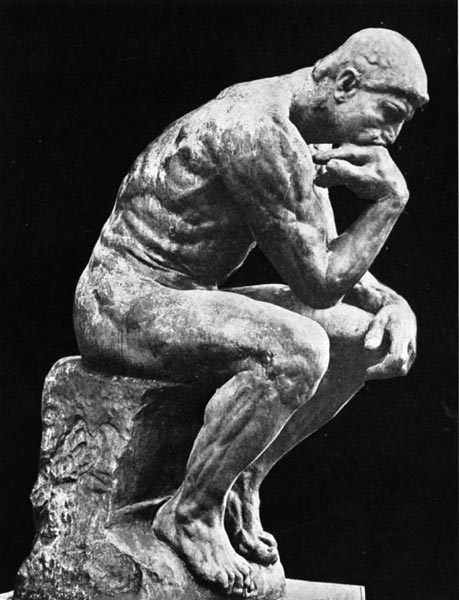
TELEOLOGY. Whether an action is right or wrong depends solely on the final results, regardless of how good the intentions may be. Such a person is called a teleologist.
DEONTOLOGY. Whether an action is right or wrong depends on the intention or motive behind the action, never mind the final results. Such a person is called a deontologist.
EXISTENTIALISM. Good and bad actions come from free choice of the individual. A good action must be voluntary, and must not be forced or compelled. It becomes bad if there is an element of force.
UTILITARIANISM. A good action is one that brings benefit to the majority or maximum number of people.
EGOISM. An action that has an element of self love, self preservation, or self interest.
Subscribe to:
Posts (Atom)